
State Development, Infrastructure and Planning - Queensland Government
The brief
The Queensland Government engaged SEC Newgate to help develop a Social Licence Toolkit for Local Government to support councils navigating new requirements under Queensland’s evolving renewable energy planning framework, which includes mandatory social impact assessments and community benefit agreements.
The Toolkit’s primary objective was to help councils guide renewable energy development in a way that reflects local values, mitigates impacts and delivers lasting community benefits. SEC Newgate’s brief was to translate nation-leading reforms into practical, evidence-based guidance for councils and their communities.
The solution
SEC Newgate took a collaborative, evidence-led approach, working with government agencies, councils, regional stakeholders and the energy industry to understand the practical challenges councils face in responding to renewable energy development.
We engaged 36 Queensland councils and interviewed more than 118 mayors, CEOs, councillors and technical staff, alongside government-owned corporations and policymakers. This research, supported by detailed stakeholder mapping, helped ensure the Toolkit reflected real-world council needs, local community expectations and the requirements of Queensland’s evolving planning framework.
Eight workshops with 33 councils were then used to test and refine the tools with more than 200 people, ensuring the final Toolkit was practical, accessible and fit for purpose.
The outcome
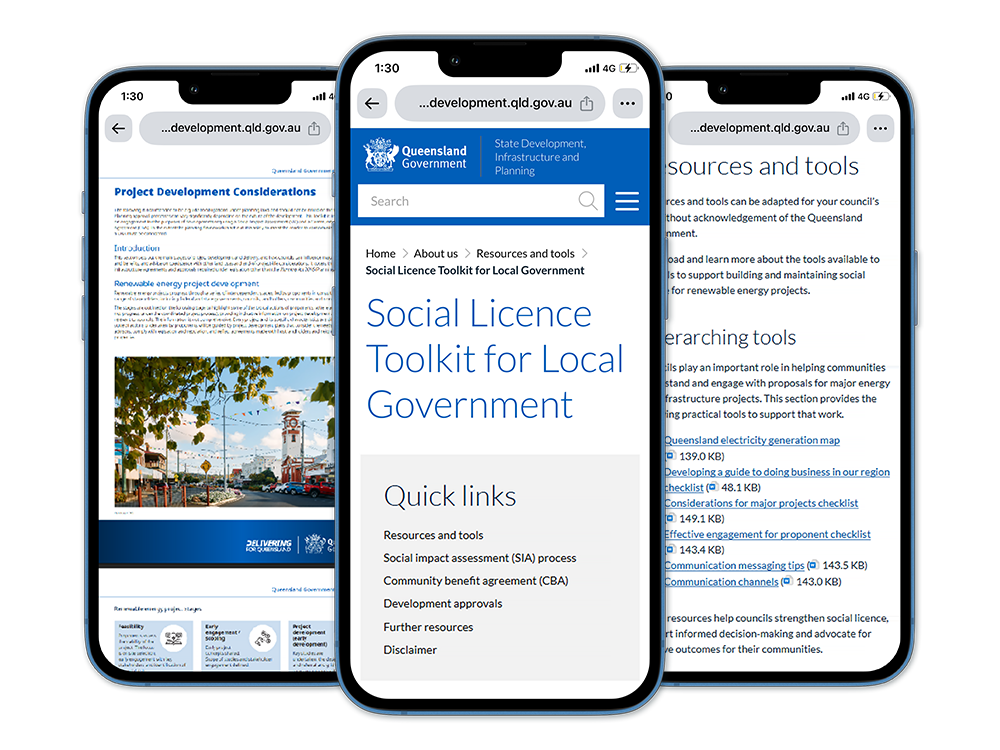
The pioneering Social Licence Toolkit gives Queensland councils, social impact practitioners and developers a practical way to respond to renewable energy development, strengthen community engagement and help secure lasting local benefits.
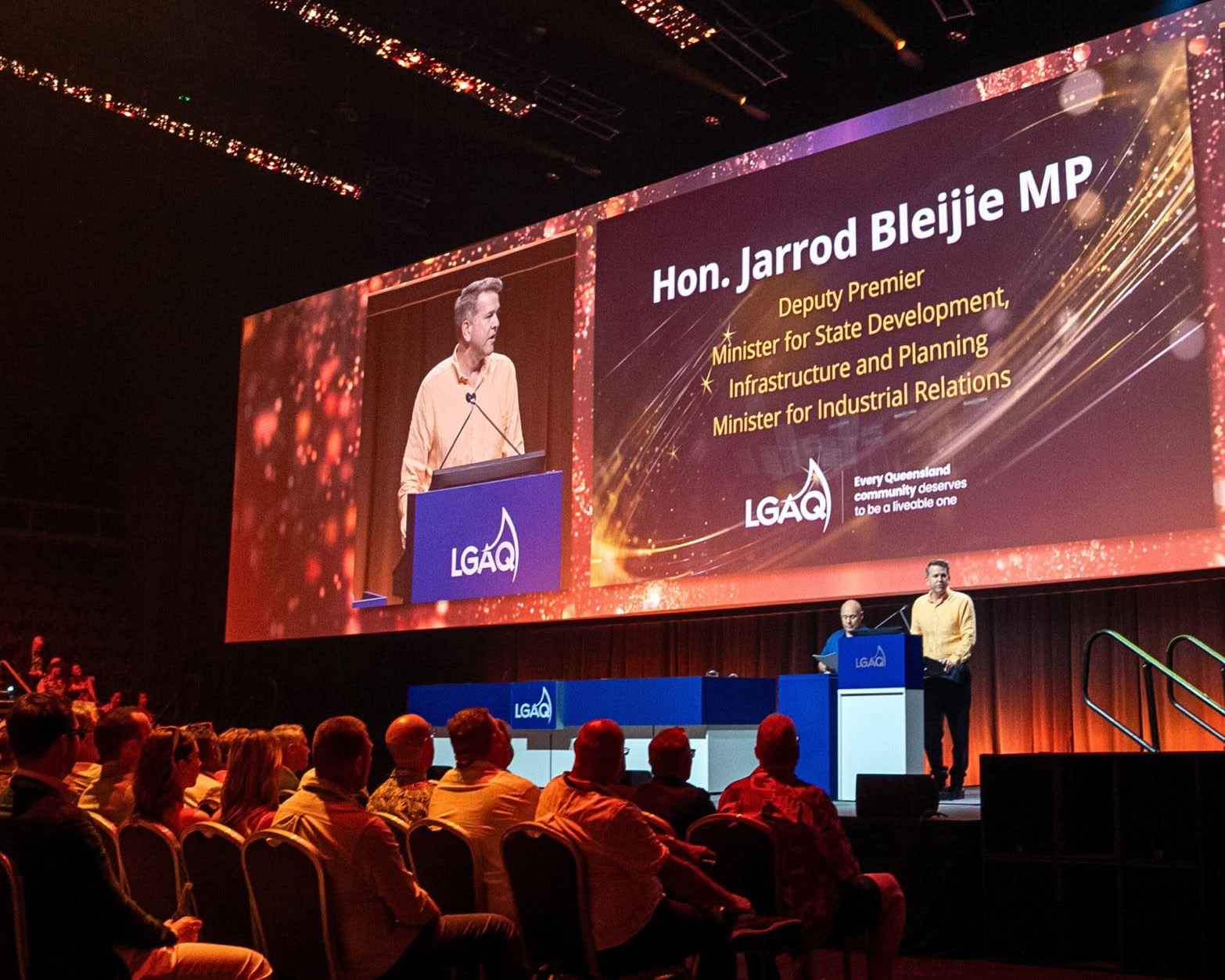
With the first set of tools launched by the Deputy Premier at the Local Government Association of Queensland State Conference in 2025, and the full suite published in 2026, the Toolkit brings together practical guidance, resources and checklists to help councils navigate renewable energy projects, planning approvals, social impacts, community engagement and benefit sharing.
Its adaptable approach also provides a valuable model for other states and sectors, with potential application to major development projects across Australia – from resources to property and major infrastructure – where governments, councils and proponents are seeking to build community confidence and deliver lasting benefits.
36
Queensland councils involved in the engagement program
118
mayors, CEOs, councillors and technical staff interviewed
200+
council staff tested the tools
We believe the development of a document that provides a well-developed framework to support the creation of a “Doing Business in Our Region” guide would be particularly useful for Councils that have yet to establish formal documentation outlining expectations for renewable energy projects and their proponents.